EDGE: Edges of Democracy, Geography & Environment
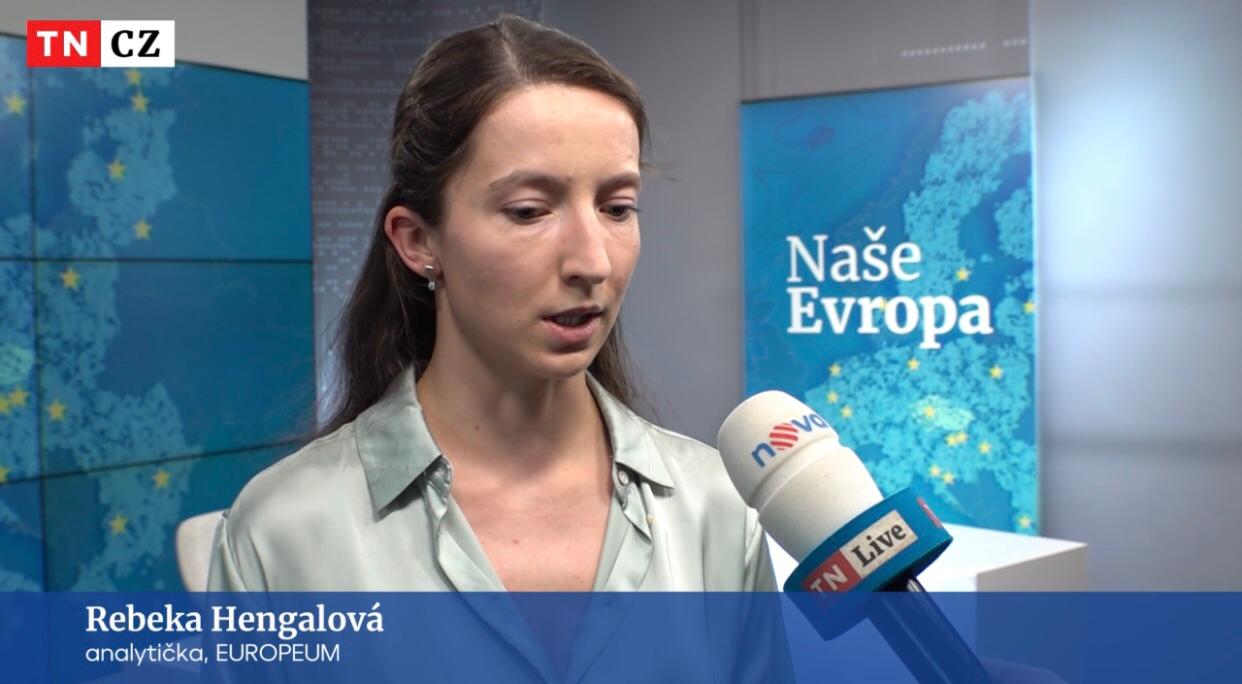
EUROPEUM Institute for European Policy is part of the European Cooperation in Science and Technology (COST) network through the EDGE COST Action and was among the network's secondary proposers. The network currently brings together researchers from 24 European countries and also collaborates with partners in Canada, the United States and Hong Kong SAR. EUROPEUM is represented in the Action by its researchers, Rebeka Hengalová, Carlos Gómez del Tronco and Kristína Chlebáková.
30. September 2030

The EDGE Cost Action examines local political practices that lead to meaningful forms of participation, solidarity, and attachment beyond liberal universalism, nationalism, and authoritarianism. The project addresses Europe’s crisis of political belonging and is based on the recognition that Europe's liberal civic identity and emphasis on procedural democracy have often provided only a superficial sense of solidarity, fostered only limited cohesion, emotional bonds and a sense of collective belonging. As a result, many Europeans have turned to alternatives that promise deeper belonging, often populist, nativist and ethno-national movements.
EDGE rejects the assumption that democracy is a static system and explores how different communities experience democracy through the pursuit of justice, the negotiation of disagreement, and the shaping of social life. The project turns to the margins, peripheries, and border regions of Europe, where political practices have long deviated from liberal norms. The goal of the project’s activities is to approach democratic culture in a new way across disciplines and sectors, bringing together key stakeholders to gather insights, develop theoretical frameworks and innovate democratic life on the margins of Europe.
The project focuses on two main objectives: research coordination and capacity building. It aims to explore, develop, and disseminate innovative approaches to democratic practice and to expand research through experimental formats and cultural institutions. At the same time, the project seeks to enable and support horizontal knowledge exchange across sectors, epistemologies and geographic regions, translate network insights into accessible formats, advance linguistic and technological inclusion and promote and strengthen democratic capacity and resilience.


Share on socials
Related articles